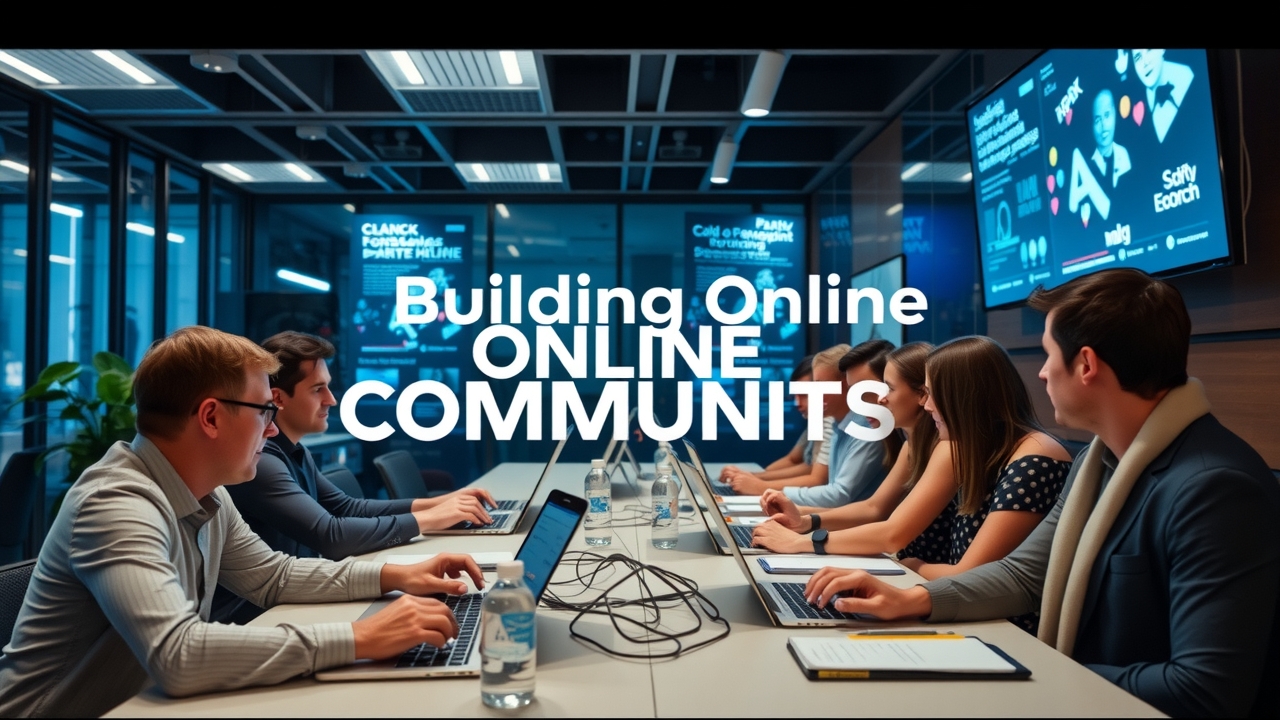
I'm going to say something that might sound a bit controversial: building a successful online community is way harder than it looks. I mean, think about it – we’ve all been part of online groups or forums at some point, and it’s easy to assume that creating one is a piece of cake. But trust me, it’s not. I’ve learned this the hard way, through trial and error, and I’m here to share my experiences with you. Don’t worry if this sounds confusing at first – we’ll break it down step by step.
What is an Online Community, Anyway?
An online community is basically a group of people who come together around a shared interest or goal. It’s like a club, but instead of meeting in person, you interact with each other through the internet. This can be through social media, forums, email lists, or even live events. The key is that it’s a two-way conversation – people are not just consuming information, they’re also contributing and engaging with each other.
Think of it like a big dinner party. You invite people who share similar interests, and you provide a space for them to connect and talk. But instead of just sitting around the table, they can also share their thoughts and ideas with each other through comments, posts, and messages. It’s a dynamic, interactive space that’s always evolving.
Defining Your Community’s Purpose
Before you can start building your community, you need to define its purpose. What’s the main goal or topic that you want to focus on? This will help you attract the right people and create content that resonates with them. For example, if you’re passionate about photography, your community might be centered around sharing tips and techniques, or showcasing members’ work.
It’s also important to consider what sets your community apart from others. What’s unique about your approach or perspective? This will help you stand out and attract people who are looking for something fresh and different. Don’t worry if this takes some time to figure out – it’s a process, and you can always adjust as you go.
Choosing the Right Platform
Once you have a clear idea of your community’s purpose, you need to choose a platform to host it on. This could be a social media group, a forum, a email list, or even a custom-built website. Each platform has its pros and cons, so it’s worth doing some research to find the one that best fits your needs.
For example, if you’re just starting out, a Facebook group or Twitter chat might be a good place to start. These platforms are easy to use and have a large built-in audience. But if you’re looking for more control and flexibility, you might consider building your own website or using a platform like Discord or Slack.
Creating Engaging Content
Content is king when it comes to building a successful online community. You need to create material that’s interesting, informative, and relevant to your members. This could be blog posts, videos, podcasts, or even just social media updates. The key is to provide value and keep people engaged.
Think of it like a conversation. You’re not just talking at people – you’re listening to their feedback and responding to their needs. This means paying attention to comments and messages, and using that feedback to shape your content and direction. It’s a two-way street, and it’s essential to be responsive and adaptable.
Building Relationships and Trust
As your community grows, it’s essential to build relationships and trust with your members. This means being authentic, transparent, and consistent in your interactions. You need to show up regularly, respond to comments and messages, and demonstrate that you care about your members and their needs.
It’s also important to recognize and reward contributions from your members. This could be as simple as thanking someone for a helpful comment, or featuring their work in a showcase. By doing so, you create a sense of ownership and belonging, which is essential for a thriving community.
Dealing with Challenges and Conflicts
Unfortunately, no community is immune to challenges and conflicts. These can arise from disagreements, misunderstandings, or even just plain old trolls. But it’s how you handle these situations that really matters. You need to be fair, consistent, and communicative in your approach.
Think of it like a big family dinner. Sometimes, people are going to disagree or get upset. But by staying calm, listening to both sides, and finding a resolution that works for everyone, you can turn a potentially explosive situation into a positive, growth-oriented experience.
Measuring Success and Growth
As your community grows and evolves, it’s essential to measure its success and growth. This could be through metrics like engagement, membership, or even revenue. But it’s not just about the numbers – it’s also about the quality of the relationships and the value you’re providing to your members.
Don’t worry if you’re not sure how to measure success at first. It’s a process, and you can always adjust as you go. The key is to stay focused on your goals and keep listening to your members. By doing so, you’ll create a thriving, sustainable community that brings value to everyone involved.
I hope these tips and strategies have been helpful in your path to create a successful online community. Remember, it’s a process, and it’s okay to make mistakes. The most important thing is to stay true to your vision, listen to your members, and keep providing value. With time, patience, and persistence, you can build a community that’s truly amazing.


Leave a Reply