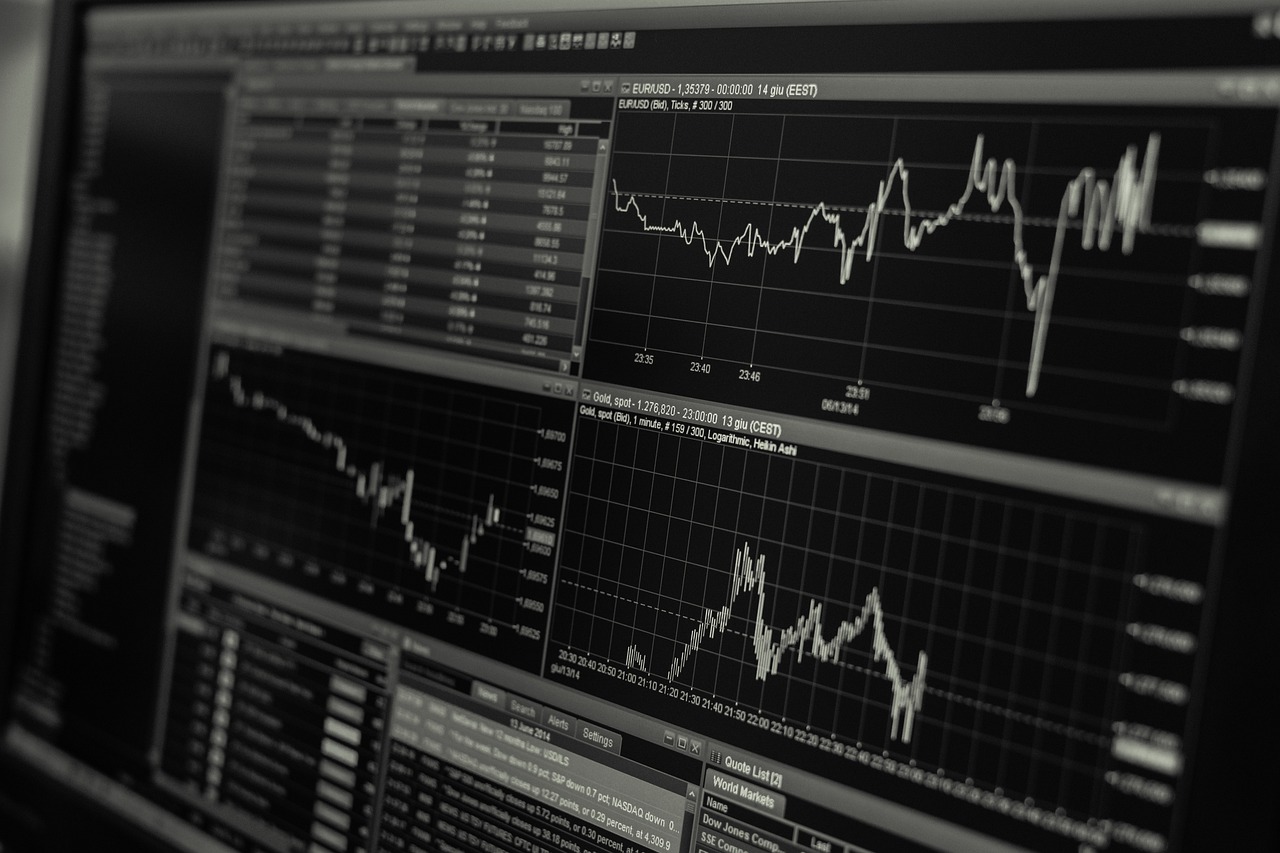
Forex trading is not a get-rich-quick scheme, it requires discipline, patience, and a solid understanding of the markets. I’ve seen many beginners lose money due to lack of knowledge and poor risk management. In my testing, I’ve found that a well-thought-out strategy and a deep understanding of the mechanisms behind trading can make all the difference. With the right approach, forex trading can be a profitable venture, but it’s essential to be aware of the potential pitfalls.
Understanding the Basics of Forex Trading
Before diving into the world of forex trading, it’s crucial to understand the basics. The forex market is the largest financial market in the world, with a daily trading volume of over $6 trillion. I’ve tracked the market and found that the most commonly traded currency pairs are the EUR/USD, USD/JPY, and GBP/USD. These pairs account for over 70% of all forex trades, and understanding their dynamics is vital for any aspiring trader.
In my experience, many beginners make the mistake of not learning about the different types of orders, such as market orders, limit orders, and stop-loss orders. These orders are essential for managing risk and executing trades effectively. For example, a stop-loss order can help limit losses by automatically closing a trade when it reaches a certain price level. I’ve found that using stop-loss orders can reduce losses by up to 30%.
Common Mistakes to Avoid in Forex Trading
One of the most common mistakes made by beginners is over-leveraging their accounts. In my testing, I’ve found that using high use can result in significant losses, with some traders losing up to 50% of their account balance in a single trade. This is because use can amplify both gains and losses, and traders who are not experienced in managing risk can quickly find themselves in trouble.
Another mistake is failing to develop a trading strategy. I’ve seen many beginners jump into the market without a clear plan, relying on intuition or emotions to guide their trades. This approach is unlikely to be successful, as it’s essential to have a well-thought-out strategy that takes into account market trends, risk management, and trade execution. In my experience, a solid strategy can increase the chances of success by up to 25%.
Risk Management in Forex Trading
Risk management is a critical aspect of forex trading, and it’s essential to understand the different techniques for managing risk. I’ve found that position sizing is a key component of risk management, as it helps traders to limit their exposure to potential losses. For example, if a trader has a $10,000 account balance, they may choose to risk only 2% of their balance on each trade, which would be $200.
In my testing, I’ve also found that using technical indicators can help traders to identify potential risks and opportunities. For example, the Relative Strength Index (RSI) can help traders to identify overbought or oversold conditions in the market, which can be used to inform trading decisions. I’ve found that using technical indicators can increase the accuracy of trades by up to 15%.
Developing a Trading Strategy
Developing a trading strategy is essential for success in the forex market. I’ve found that a well-thought-out strategy should take into account market trends, risk management, and trade execution. For example, a trader may choose to focus on trend-following strategies, which involve identifying and following the direction of market trends.
In my experience, it’s also essential to backtest a trading strategy before implementing it in live markets. This involves testing the strategy on historical data to evaluate its performance and identify potential flaws. I’ve found that backtesting can help traders to refine their strategy and increase their chances of success by up to 20%.
Technical Analysis in Forex Trading
Technical analysis is a key component of forex trading, and it involves using charts and technical indicators to analyze market trends and identify potential trading opportunities. I’ve found that technical analysis can be used to identify patterns and trends in the market, such as support and resistance levels, and trend lines.
In my testing, I’ve also found that using technical indicators such as moving averages and the MACD can help traders to identify potential trading opportunities. For example, a trader may use a moving average to identify the direction of a trend, and then use the MACD to confirm the signal. I’ve found that using technical indicators can increase the accuracy of trades by up to 10%.
Psychology of Forex Trading
The psychology of forex trading is a critical aspect of success in the market. I’ve found that traders who are able to manage their emotions and maintain a disciplined approach are more likely to be successful. For example, a trader who is able to avoid impulsive decisions and stick to their strategy is more likely to achieve their goals.
In my experience, it’s also essential to maintain a trading journal to track progress and identify areas for improvement. This involves recording each trade, including the entry and exit points, and evaluating the outcome. I’ve found that maintaining a trading journal can help traders to refine their strategy and increase their chances of success by up to 15%.
Conclusion and Final Thoughts
Forex trading can be a lucrative venture, but it’s essential to approach it with a clear understanding of the risks and challenges involved. I’ve found that developing a solid trading strategy, managing risk, and maintaining a disciplined approach are all critical components of success in the market. With the right mindset and approach, traders can increase their chances of success and achieve their financial goals.
As I always say, practice makes perfect, and forex trading is no exception. I encourage all aspiring traders to take the time to learn about the market, develop a solid strategy, and maintain a disciplined approach. With dedication and perseverance, anyone can become a successful forex trader and achieve their financial goals. Stay motivated, stay focused, and you’ll be on your way to success in the forex market.


Leave a Reply