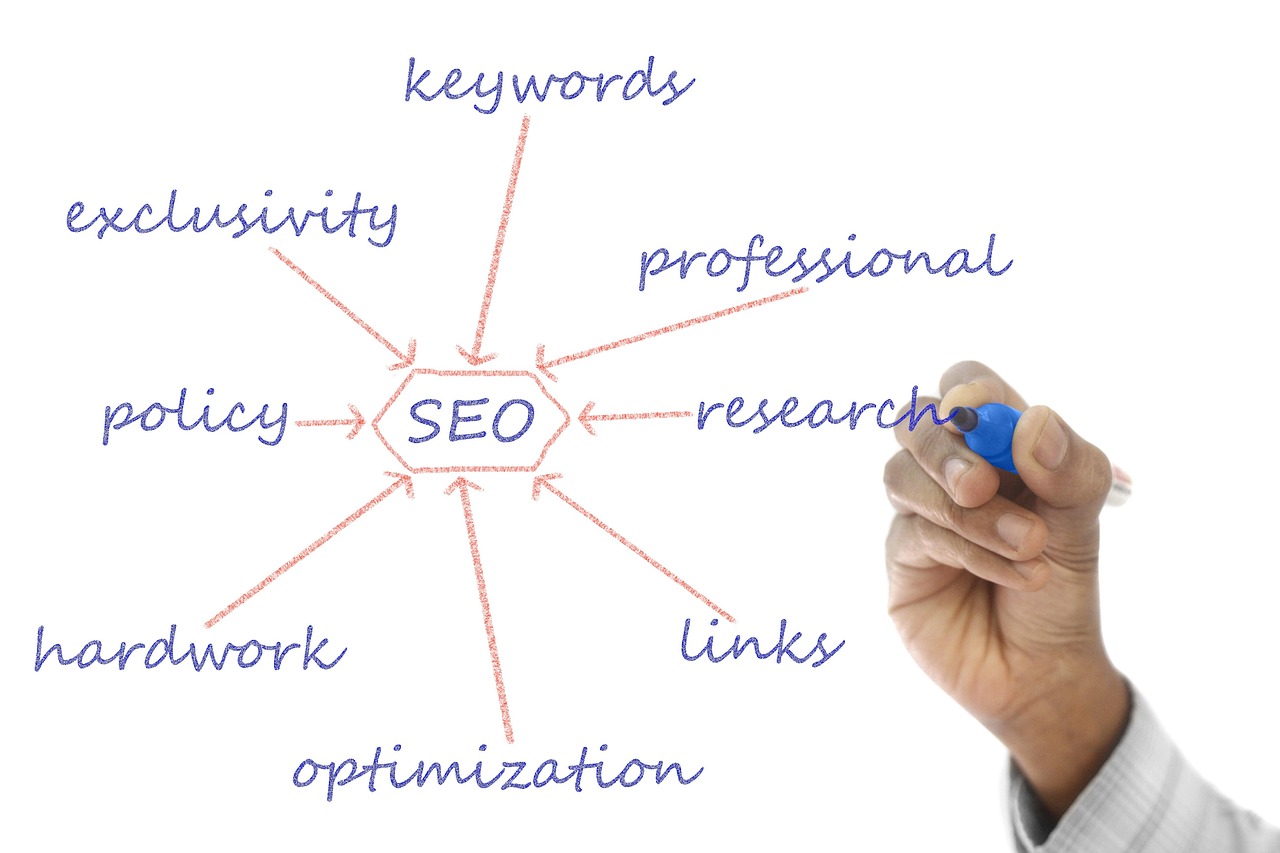
Imagine having a website that consistently ranks high in search engine results, driving a steady stream of targeted traffic to your business. This is the dream for many, but achieving it requires a solid understanding of SEO keyword research. Everyone says SEO is about keyword stuffing and complex algorithms, but actually, it’s about understanding your audience and what they’re searching for. By mastering the basics of SEO keyword research, you can significantly improve your website’s visibility and reach your target audience more effectively.
Understanding the Importance of Keyword Research
The dirty secret is, many websites fail to achieve their online goals because they neglect keyword research. Keyword research is the foundation of any successful SEO strategy, as it helps you understand what your target audience is searching for and how you can tailor your content to meet their needs. Without proper keyword research, you’re essentially shooting in the dark, hoping that your content will somehow magically resonate with your audience. By investing time and effort into keyword research, you can create content that resonates with your audience and drives real results for your business.
For instance, let’s say you're a fitness coach looking to attract more clients to your website. If you don’t conduct thorough keyword research, you might end up creating content that’s too generic or irrelevant to your target audience. By understanding what keywords your audience is searching for, such as “best workout routines” or “how to lose weight”, you can create targeted content that addresses their specific needs and concerns. This not only improves your website’s visibility but also increases the likelihood of converting visitors into clients.
Identifying Your Target Audience
I’m going to ruffle some feathers here, but the truth is, many businesses don’t really know who their target audience is. They might have a vague idea, but they haven’t taken the time to really understand their audience’s needs, preferences, and behaviors. To conduct effective keyword research, you need to have a deep understanding of your target audience, including their demographics, interests, and pain points. This information will help you identify the most relevant keywords and phrases that your audience is searching for.
For example, if you’re a fashion brand targeting young adults, you'll want to understand what keywords and phrases they’re using to search for fashion-related content. You might find that they’re searching for keywords like “sustainable fashion” or “plus-size clothing”, which can help you create content that resonates with their values and interests. By understanding your target audience, you can create keyword research that’s tailored to their specific needs and preferences.
Brainstorming Keyword Ideas
Now that you have a solid understanding of your target audience, it’s time to start brainstorming keyword ideas. This is where many people get stuck, as they’re not sure where to start or how to come up with relevant keywords. The key is to think like your audience and consider what keywords and phrases they might use to search for content related to your business. You can use tools like Google Autocomplete or keyword research software to help generate ideas and get a sense of what’s trending in your industry.
For instance, let’s say you’re a travel company looking to attract more visitors to your website. You might brainstorm keyword ideas like “best destinations for summer vacation” or “how to plan a trip to Europe”. You can then use tools like Google Keyword Planner to get an idea of the search volume and competition for these keywords, which can help you refine your list and identify the most opportunities for your business.
Conducting Keyword Research
Conducting keyword research involves using tools and techniques to identify the most relevant and high-traffic keywords for your business. This can be a time-consuming process, but it’s essential for creating an effective SEO strategy. You’ll want to use a combination of keyword research tools, such as Google Keyword Planner, Ahrefs, or SEMrush, to analyze search volume, competition, and cost-per-click (CPC) for your target keywords.
For example, let’s say you’re a health and wellness brand looking to attract more visitors to your website. You might use Google Keyword Planner to identify keywords like “yoga for beginners” or “healthy meal planning”, which have a high search volume and relatively low competition. You can then use Ahrefs or SEMrush to analyze the backlink profile and content quality of your competitors, which can help you identify opportunities to outrank them and drive more traffic to your website.
Analyzing Keyword Metrics
Once you’ve conducted your keyword research, it’s time to analyze the metrics and identify the most opportunities for your business. You’ll want to look at metrics like search volume, competition, CPC, and keyword difficulty to determine which keywords are most relevant and achievable for your business. This will help you prioritize your keyword research and focus on the most high-impact opportunities.
For instance, let’s say you’re an e-commerce brand looking to drive more sales to your website. You might analyze keyword metrics like conversion rate, average order value, and return on ad spend (ROAS) to determine which keywords are driving the most revenue for your business. You can then use this information to optimize your keyword research and focus on the most profitable keywords and phrases.
Creating a Keyword Strategy
Now that you’ve analyzed your keyword metrics, it’s time to create a keyword strategy that drives real results for your business. This involves identifying the most relevant and high-impact keywords for your business and creating content that resonates with your target audience. You’ll want to use a combination of keyword research tools and content creation strategies to develop a keyword strategy that drives traffic, engagement, and conversions.
For example, let’s say you’re a software company looking to attract more leads to your website. You might create a keyword strategy that focuses on keywords like “marketing automation” or “sales CRM”, which have a high search volume and relevance to your business. You can then use this strategy to create targeted content, such as blog posts, eBooks, or webinars, that resonates with your target audience and drives real results for your business.
Tracking and Optimizing Your Keyword Research
The final step in the keyword research process is to track and optimize your results. This involves monitoring your keyword rankings, traffic, and engagement metrics to see how your keyword research is performing. You’ll want to use tools like Google Analytics or SEMrush to track your keyword performance and identify areas for improvement.
For instance, let’s say you’re a retail brand looking to drive more sales to your website. You might track keyword metrics like conversion rate, average order value, and return on ad spend (ROAS) to determine which keywords are driving the most revenue for your business. You can then use this information to optimize your keyword research and focus on the most profitable keywords and phrases.
To wrap up, keyword research is a critical component of any successful SEO strategy. By understanding your target audience, brainstorming keyword ideas, conducting keyword research, analyzing keyword metrics, creating a keyword strategy, and tracking and optimizing your results, you can drive real results for your business and achieve your online goals. Remember, keyword research is an ongoing process that requires continuous monitoring and optimization to stay ahead of the competition. With the right strategy and tools, you can master the basics of SEO keyword research and take your business to the next level.


Leave a Reply