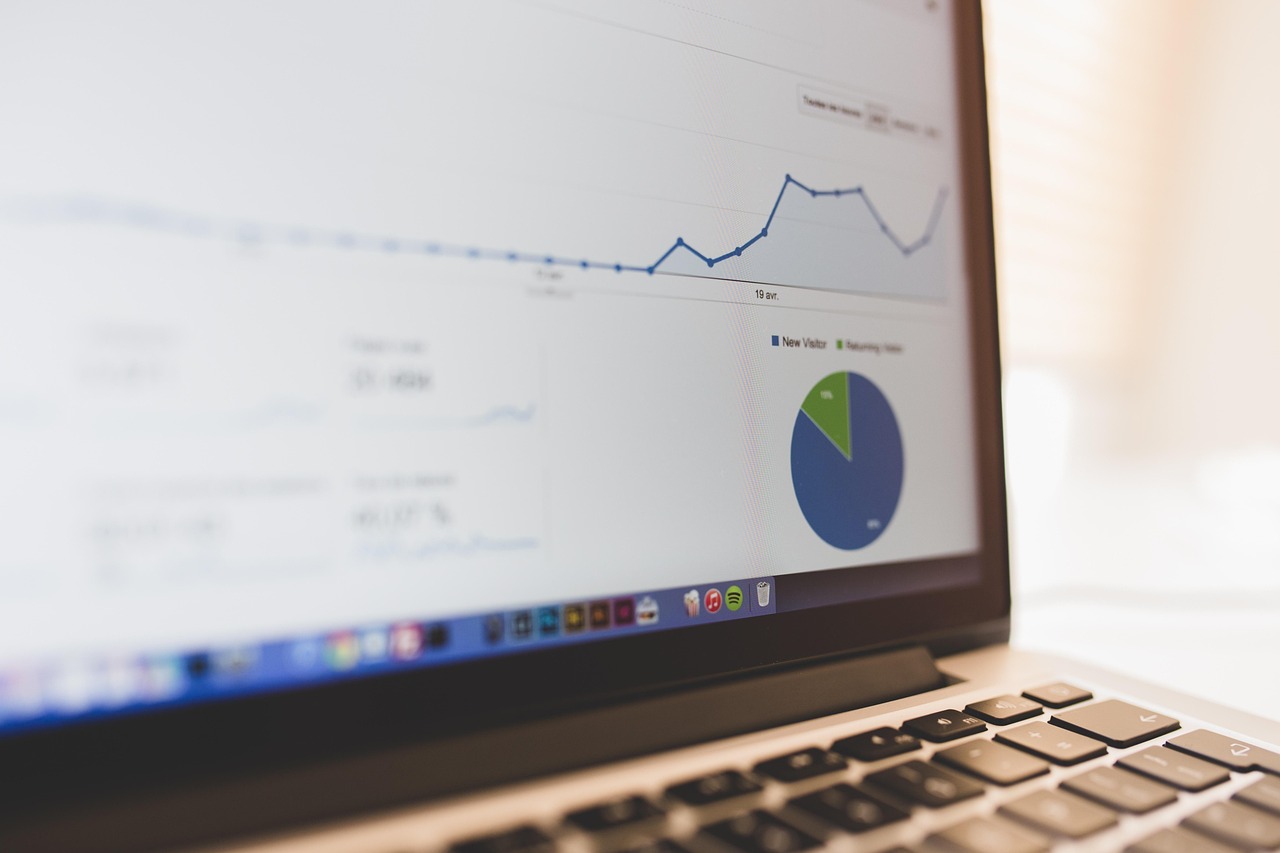
Everyone says a high-converting landing page is all about simplicity and clarity, but actually, it’s about understanding the psychological triggers that drive users to take action. The dirty secret is, most landing pages are designed based on assumptions rather than scientific insights into human behavior. I’m going to ruffle some feathers here by saying that the conventional wisdom on landing page design is often misleading. By grasping the underlying psychological mechanisms, you can significantly enhance your conversion rates.
Understanding User Motivations
At the core of any successful landing page is a deep understanding of what motivates users to convert. It’s not just about presenting features and benefits but about tapping into the psychological needs and desires of your audience. For instance, if you’re selling a productivity tool, your landing page shouldn’t just list its features but should speak to the user’s desire to achieve more in less time, highlighting how your tool can help them feel more accomplished and less stressed.
This requires a thorough understanding of your target audience, including their pain points, aspirations, and behaviors. Conducting thorough market research and creating buyer personas can help you tailor your messaging and design to resonate with your audience on a deeper level. Remember, the key is to show users how your product or service can change their lives for the better, not just what it can do.
The Power of Social Proof
Social proof is one of the most potent psychological triggers you can use on a landing page. It’s based on the principle that people are more likely to adopt a behavior or buy a product if they see others doing it. This is why customer testimonials, reviews, and ratings are so effective. They act as a form of social validation, reassuring potential customers that they’re making a good decision.
A good example of using social proof effectively is showcasing a well-known client or partner on your landing page. If a prestigious company trusts your brand, it sends a strong signal to smaller businesses or individuals that your product or service is reliable and of high quality. Additionally, featuring user-generated content or customer success stories can create a sense of community and trust around your brand.
Scarcity and Urgency
Creating a sense of scarcity and urgency is another psychological strategy that can significantly boost conversions. When people believe that a product or offer is limited in some way, they’re more likely to buy it sooner rather than later. This can be achieved through limited-time offers, limited stock, or exclusive deals for a certain period.
For example, using phrases like ‘Only 24 hours left to claim your discount' or 'Limited spots available’ can create a sense of urgency, prompting users to take immediate action. It’s essential, however, to use this tactic authentically and not overdo it, as repeated false scarcity claims can erode trust and credibility.
Visual Hierarchy and Design
The design of your landing page plays a crucial role in guiding the user’s attention and psychological response. A well-structured visual hierarchy can help draw the user’s eye to the most important elements on the page, such as the call-to-action (CTA) button. Using size, color, and placement strategically can enhance the page’s overall clarity and focus.
Research has shown that users tend to follow an F-pattern when viewing a webpage, starting from the top left and moving right and then down. Understanding and leveraging this pattern can help you place your key messaging and CTAs in the most effective positions. Additionally, ensuring that your design is responsive and looks great on all devices is crucial, as a significant portion of users will access your landing page through mobile devices.
Trust and Credibility
Establishing trust and credibility with your audience is fundamental to converting them into customers. This can be achieved through several means, including showcasing your brand’s story and values, highlighting any security certifications or compliances (like SSL encryption), and featuring trust badges from well-known security or review platforms.
A significant aspect of building trust is transparency. Being clear and upfront about your product’s pricing, what users can expect, and your return or refund policies can go a long way in establishing credibility. Moreover, displaying contact information and having a comprehensive FAQ section can reassure potential customers that you’re accessible and committed to their satisfaction.
Storytelling in Landing Pages
Storytelling is a powerful psychological tool that can connect with users on an emotional level, making your brand and product more memorable and appealing. A good story can convey your brand’s purpose, values, and mission in a way that resonates with your target audience, fostering a deeper connection and loyalty.
When incorporating storytelling into your landing page, focus on the benefits and outcomes that your product or service can deliver, rather than just listing its features. Use narratives that reflect the challenges and aspirations of your target audience, and show how your solution can help them overcome obstacles and achieve their goals. Authenticity and simplicity are key; the story should be easy to follow and genuinely reflective of your brand’s essence.
Testing and Optimization
No landing page is perfect from the start, and what works today may not work tomorrow. Continuous testing and optimization are crucial to ensuring your landing page remains effective over time. This involves A/B testing different elements, from headlines and CTAs to images and layouts, to see what resonates best with your audience.
It’s also important to analyze user behavior on your landing page, using tools like heat maps and session recordings to understand where users are getting stuck or losing interest. This data can provide valuable insights into how to improve the user experience and increase conversions. Remember, optimization is an ongoing process; there’s always room for improvement, and staying vigilant and adaptable is key to long-term success.
To wrap up, crafting a high-converting landing page is a complex task that requires a deep understanding of psychological principles and user behavior. By applying these advanced strategies and continuously testing and optimizing your approach, you can significantly enhance your landing page’s performance and drive more conversions. So, embrace the challenge, stay curious, and keep pushing the boundaries of what’s possible with your landing pages. The potential for growth and improvement is limitless, and with the right mindset and strategies, you can achieve remarkable results.


Leave a Reply